
Shop welding fume extraction systems, exhaust fans, and hoods designed to capture and filter hazardous fumes. Improve air quality, protect workers, and meet safety standards.
-


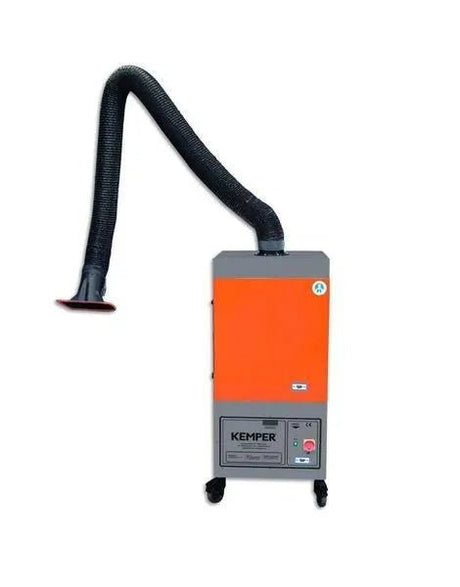


KEMPER – MAIN FILTER for MECHANICAL WELDING SMOKE FILTER UNITS – 1090010
$580.00Unit price /Unavailable
Kemper - Cartridge Filter PTFE 16x12.7 for Stationary Cartridge Filter Unit 1090434 (1090180)
$499.00Unit price /UnavailableKemper - Pre-Filter Mat (10 Per Set) for Kemper SmartMaster 1090452
$199.00Unit price /Unavailable


 Sold out
The Ultimate Guide to Fume Extraction Systems in Welding
Learn about fume extractor units, welding exhaust fans, welding hoods, and other essential components for effective air control.
Introduction to Fume Extraction Systems
Fume extractors, particularly the industrial extraction hood systems, are essential in welding.
Welding Fume Extractors are specialized units designed to capture, filter, and safely remove harmful airborne contaminants generated during welding and industrial processes. By using advanced filtration systems, such as air filtration, these units ensure that hazardous welding fumes—including microscopic metal particles and toxic gases—do not accumulate in the workplace. These systems not only protect workers’ respiratory health but are also fundamental in maintaining compliance with health and safety regulations.
Overview of Welding Fumes and Associated Health Risks
Welding processes produce a complex mixture of fumes containing metallic oxides, silicates, and fluorides. These fumes, when inhaled over time, can lead to serious health issues such as chronic respiratory diseases, metal fume fever, and increased risk of lung cancer. Prolonged or repeated exposure may also contribute to neurological problems and other systemic health effects. Given these risks, effective welding fume extraction in manufacturing environments is not a choice but a necessity.
Types of Fume Extraction Units
Portable vs. Stationary Systems
When choosing a fume extraction solution, it’s important to understand the differences between portable and stationary systems. Portable Fume Extractors provide mobility and can be easily transported for use in different locations. Portable fume extractor units are ideal for job sites where flexibility and mobility are required. They are compact, easy to relocate, and suitable for occasional or light-duty welding tasks. Stationary systems, on the other hand, are permanently installed near a fixed welding station, providing continuous and robust fume extraction for high-volume or repetitive welding operations.
Wall-Mounted and Mobile Extractors
Wall-mounted fume extractors are fixed to the worksite infrastructure, conserving floor space while delivering targeted extraction. These are well-suited for workshops with designated welding areas. These units streamline fume control in designated shop areas. Mobile extractors, including those mounted on carts, can be easily moved between stations, making them perfect for facilities with varying production layouts or limited permanent workspace.
Source Capture Technology
Source capture technology refers to systems—such as welding exhaust hoods, arms, and extraction hoods—that capture fumes directly at its origin. This method is crucial for shop applications, reducing metal contamination. By positioning welding exhaust hoods or local exhaust arms close to the welding arc, these extractors minimize the spread of dangerous fumes. This ensures a significant reduction in exposure within industrial environments. This targeted approach is highly effective, ensuring the majority of airborne contaminants are removed before dispersing into the wider environment. Accessories like extraction arms increase system efficiency.
Health Benefits of Fume Extraction
Incorporating extraction units helps reduce harmful exposure to welding fumes.
Prevention of Respiratory Illnesses
Proper use of welding fume extractors drastically reduces exposure to airborne toxins, preventing occupational illnesses like asthma, bronchitis, and long-term respiratory impairment within the breathing zone. By actively removing hazardous particles, these systems safeguard both welders and anyone in nearby areas from the acute and chronic effects of inhaling contaminated air.
Occupational safety organizations, including OSHA and the American Conference of Governmental Industrial Hygienists (ACGIH), have strict standards for permissible exposure limits to air contaminants.
Occupational safety organizations, including OSHA and the American Conference of Governmental Industrial Hygienists (ACGIH), have strict standards for permissible exposure limits to welding fumes. Installing and maintaining effective fume extraction systems ensures your operation complies with these regulations, avoiding costly fines and, more importantly, prioritizing worker well-being.
How to Choose the Right Fume Extractor
Considerations for Selecting the Right System
A suitable welding hood exhaust system is essential for stainless steel welding tasks. Selecting the appropriate fume extraction units involves evaluating several factors: - Type and frequency of welding activities - Workplace size and layout - Number of welding stations - Type of materials and fumes generated - Ease of system mobility and installation By identifying your facility’s specific needs, you can maximize both efficiency and safety.
Filter Types and Their Effectiveness
The effectiveness of a fume extractor greatly depends on its air filtration system. Common filter options include: - HEPA Filters: Capture up to 99.97% of particles as small as 0.3 microns, making them ideal for environments with stringent air quality requirements. - Activated Carbon Filters: Specialized for removing unpleasant odors and volatile organic compounds (VOCs) from welding fumes, ensuring clean air. - MERV-Rated Filters: Offer a broad range of particle-capturing capabilities, with higher ratings correlating to greater efficiency for fine particulates. Choosing the right filter ensures optimal air purification and system longevity.
Conclusion and Best Practices
Regular maintenance of welding hoods and exhaust fans supports consistent performance.
Recap of the Importance of Fume Extraction
Fume extractors and welding exhaust systems—such as welding exhaust fans, hoods, and exhaust arms—play a critical role in protecting health, improving workplace safety, and maintaining compliance with air safety regulations. These systems are not optional add-ons but essential components of any safe welding environment.
Recommendations for Maintaining Air Quality
To maintain optimal air quality: - Conduct routine inspections and maintenance of all extraction equipment. Consider using high-efficiency extraction hoods for better results. - Change filters according to manufacturer recommendations. - Ensure proper use and positioning of welding exhaust extraction hoods and arms. This includes understanding the importance of welding hoods in managing hazardous emissions. - Train staff on best practices for fume extraction and ventilation. By making fume extraction a priority, welders and facility managers can ensure safer working conditions, regulatory compliance, and long-term well-being for every worker through improved air quality.


