
Shop Lincoln plasma cutters engineered for precision, speed, and durability. Ideal for metal fabrication, automotive, and construction, these machines deliver clean cuts across steel, aluminum, and more. Choose portable or CNC-compatible models for high-performance cutting in any environment.
-

Lincoln Factory Demo Tomahawk 1000 Plasma Cutter w/ Hand Torch - U2808-1
$2,999.00$3,808.00Unit price /Unavailable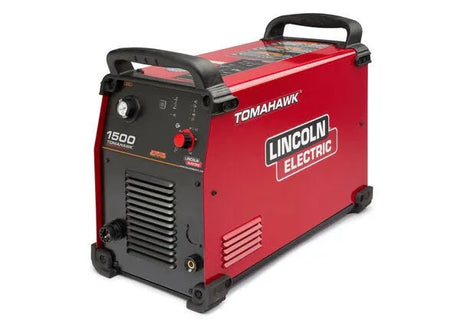
Lincoln Tomahawk 1500 Plasma Cutter Factory Demo - U2809-1
$5,095.00$6,195.00Unit price /Unavailable Sold out
Lincoln Tomahawk 375 AIR Factory Demo Plasma Machine - U2806-1
$1,455.00$1,999.00Unit price /Unavailable


 Sold out


Lincoln Plasma Cutters: Comprehensive Overview and Key Applications
Introduction to Lincoln Plasma Cutters
Overview of the Lincoln Brand
Lincoln Electric is a globally recognized leader in the welding and cutting industry, providing advanced solutions for professionals. Known for their innovation and reliability, Lincoln Electric offers a diverse range of plasma cutting machines designed to meet the needs of professionals in metal fabrication, construction, automotive, and more. Lincoln Electric's plasma cutting machines are equipped with cutting-edge technology to handle everything from precision cutting to heavy-duty slicing jobs efficiently. The Lincoln plasma cutting machine series combines advanced technology with user-friendly design, suitable for both industrial and personal use. These machines can handle a variety of jobs, including the use of stick and TIG welding methods. They offer advanced capabilities for both professional welders and DIY enthusiasts. These units also serve welder and TIG operations with equally impressive performance.
The Importance of Precision in Cutting
Precision is critical in metal fabrication and construction. Lincoln plasma cutting machines deliver clean and accurate cuts across various materials, including steel, aluminum, and stainless steel. This high level of precision not only enhances the quality of the finished product but also reduces the need for secondary operations, such as grinding or sanding.
Key Features of Lincoln Plasma Cutters
Performance Specifications
Lincoln plasma cutters are built for performance and durability. Whether you're using them for plasma cutting or for complex TIG and MIG welding jobs, these machines show tremendous versatility. Key features include:
- High cutting speeds: Capable of slicing through thick materials quickly, reducing project times. Pilot arc technology: Allows for cutting through dirty or painted surfaces without direct metal contact.
- These plasma cutter welding machines are adaptable, offering portability and precision cutting capabilities for any type of welder, including stick and TIG welders.
- Many models are lightweight and portable, ideal for onsite work.
Their plasma cutter welding machines offer adjustable output settings to accommodate different thicknesses and materials, ensuring versatility for a wide range of applications.
Comparison of Models
Lincoln offers several models, such as the Tomahawk series, each tailored to specific needs.
- Tomahawk 375 Air: Compact and convenient for lighter-duty jobs, and capable of being equipped with CNC plasma cutting system components.
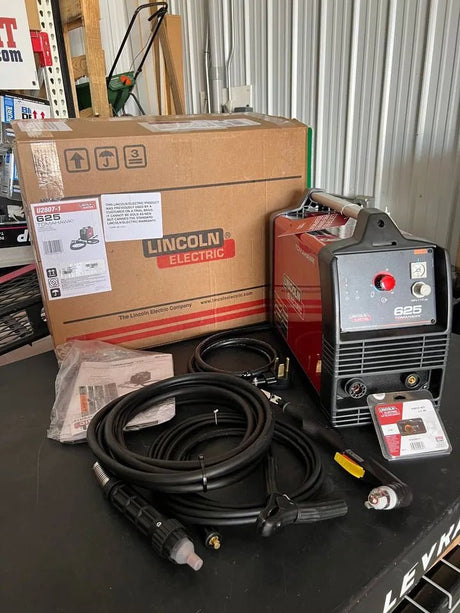
- Tomahawk 625: Delivers more power and cutting capacity for heavier metals, including steel and aluminum, making it ideal for advanced applications.
- CNC-Compatible Units: These are compatible with high-tech cutting tables and integrated systems for maximizing production efficiency.
- For CNC plasma cutting operations, their cutting machines are suitable with automated systems and cutting tables.
Each model showcases unique features, so users can select the best unit depending on their operational demands.
Applications of Plasma Cutting Machines
Industries That Utilize Plasma Cutting
Lincoln plasma cutting machines are widely used in:
- Utilized in automotive repair and fabrication, construction, shipbuilding, aerospace, art and metal sculpture, and manufacturing, these machines use plasma technology to produce high-quality results.
- Such versatility helps in the production of custom metal structures by both professionals and hobbyists.
These machines enable professionals and hobbyists to achieve efficient, high-quality cuts on diverse metal projects. These welder plasma cutters allow ease in various applications in diverse shops and industries.
Real-World Cases of Plasma Cutting Technology
In automotive workshops, Lincoln plasma cutters are commonly used to repair frames and fabricate custom components. In construction, they enable workers to prepare steel beams and plates on-site, speeding up project timelines while maintaining safety and cutting precision. Moreover, these systems are designed for precise fabrication and welding processes. These processes include forming steel components with precision.
Safety Measures and Maintenance
In addition, routine checks and servicing are necessary parts of maintaining plasma cutter machines for optimal use.
Essential Protective Gear
The plasma cutting process requires careful attention to safety protocols. Operating a plasma metal cutting machine requires strict adherence to safety protocols. Users should always wear:
- Flame-resistant gloves and jackets
- Eye and face protection (welding helmet or safety goggles)
- Respiratory protection, especially when cutting coated metals
Proper grounding of the machine and a well-ventilated workspace are also essential for safe operation, with the supply system being checked regularly for voltage fluctuations. Stick and TIG welders must ensure clean and hazard-free environments.
Maintenance Tips for Longevity and Performance
Maintenance is pivotal for any cutting machine's longevity and quality performance. Regular maintenance ensures the longevity and optimal performance of any plasma cutter machine: They are crucial in maintaining voltage consistency, ensuring efficient plasma cutting.
- Replace consumables regularly: Monitor and change torch tips, electrodes, and nozzles as needed to ensure consistent performance.
- Keep the Torch Clean: Regularly removing metal dust and slag buildup keeps performance high and prolongs the life of the torch.
- Regular cleaning ensures the machine can handle different materials like pipe and sheet metal efficiently.
- Check Cables and Connections: Inspect for wear or damage to prevent electrical hazards.
Following manufacturer guidelines will help maintain high-performance cutting results and extend the life of your equipment, as well as ensure safety in operations involving gases and laser applications.
Future Innovations in Plasma Cutting Technology
Emerging Trends
The CNC plasma cutting and welding industry is rapidly evolving with automated options. The ongoing enhancements in plasma cutter welding machines lie in technological advancement and integration with CNC systems. Trends include:
- Integration with CNC Technology: Providing automation and increased cutting accuracy.
- Enhanced portability: Development of lightweight, more compact models offers new options.
- Eco-Friendly Enhancements: Reduced power consumption and safer material handling.
Impact on the Industry
CNC plasma systems and torch accessories offer significant advantages in control and precision. Emerging technologies are poised to make plasma cutting faster, safer, and more efficient, ensuring a high edge quality. CNC plasma cutting systems, for example, are revolutionizing metal fabrication by enabling repeatable, high-precision cuts for complex designs, benefitting industries from automotive manufacturing to metal art.
Lincoln plasma cutters stand out for their reliability, versatility, and innovation. Whether for industrial, commercial, or personal applications, their plasma cutting machines deliver exceptional results when operated with proper safety and maintenance practices. These cutting machines, including the Lincoln Tomahawk models, are designed for efficiency in welding and CNC plasma jobs, aided by software that augments control. As the technology continues to evolve, users can expect even greater efficiency and precision in metalworking projects, thanks to innovations from Lincoln Electric.


