


Lincoln Fume Extraction

Kemper Fume Extraction

Extraction Arms

Replacement Filters

Fume Extraction Accessories

What is Fume Extraction
A fume extraction system is a specialized ventilation solution designed to capture and remove hazardous airborne contaminants generated during welding, cutting, and other industrial processes. Welding fume extraction systems work by drawing in harmful metal particulates, gases, and smoke, filtering them through high-efficiency filters, and releasing cleaner air back into the workspace or outside. These systems help maintain compliance with OSHA regulations, improve air quality, and protect workers from long-term health risks associated with inhaling toxic welding fumes. Fume extractors are essential for reducing exposure to dangerous substances like manganese, hexavalent chromium, and other toxic compounds commonly found in welding fumes.
There are various types of industrial fume extraction systems, including portable fume extractors, fixed fume extraction arms, and centralized weld fume extraction units. Each system is designed to efficiently remove contaminants based on workspace size, welding intensity, and specific industrial needs. A welder fume extractor improves workplace safety by preventing the accumulation of hazardous particles, ensuring compliance with workplace safety standards, and enhancing overall air quality. Investing in a high-quality welding fume extraction system not only safeguards worker health but also increases productivity by maintaining a cleaner and safer work environment.

Welding Station Solution
Are you struggling to keep your welding stations clean and compliant with safety regulations? WeldingMart offers top-of-the-line welding fume extraction systems designed to improve air quality and protect workers from hazardous fumes. Our industrial fume extraction systems efficiently capture and filter airborne contaminants, ensuring a safer and healthier work environment. Whether you need a fume extraction arm for targeted fume control, a portable welder fume extractor, or a full-scale welding fume extraction system, we have the right solution to meet your needs.
WeldingMart understands that every shop requires a tailored approach to fume control. That’s why we provide a range of fume extraction systems, from compact units for small welding stations to high-capacity fume extractors for industrial applications. Our expert team can help you select the perfect weld fume extraction solution to enhance efficiency, maintain compliance, and protect your workforce. Invest in the right fume extraction system today and create a cleaner, safer welding environment with WeldingMart.
FAQ's Fume Extraction
What is a welding fume extraction system?
A welding fume extraction system is a ventilation solution designed to capture and filter hazardous welding fumes, protecting workers from exposure to harmful airborne contaminants. These systems improve air quality in welding environments and ensure compliance with OSHA regulations.
Why is a welding fume extraction system important?
Welding fume extraction systems reduce exposure to toxic particulates and gases produced during welding, preventing respiratory issues and long-term health risks. They also help maintain a clean and safe workplace while meeting industry safety standards.
How does a fume extraction arm work?
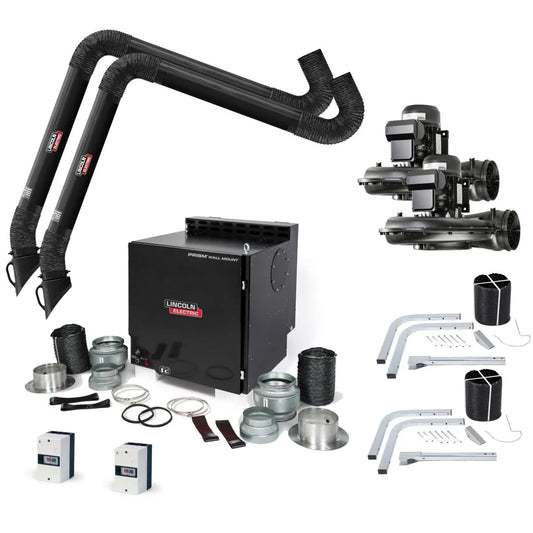
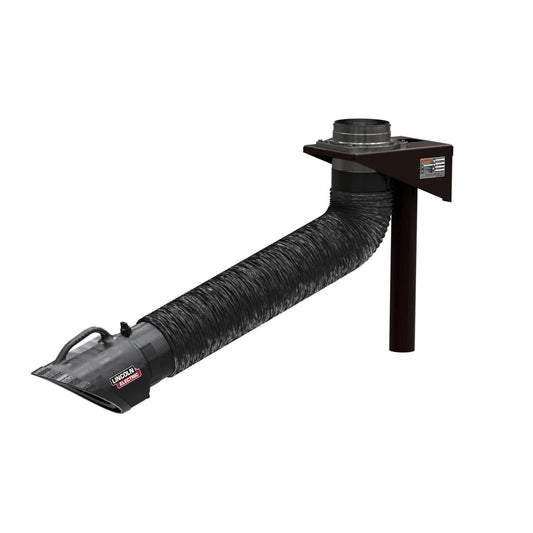
A fume extraction arm is a flexible, adjustable duct that captures welding fumes at the source. It connects to a fume extractor or industrial fume extraction system, directing contaminants away from the welder and into filtration units that remove harmful particles.
What types of welding fume extraction systems are available?
There are various types, including:
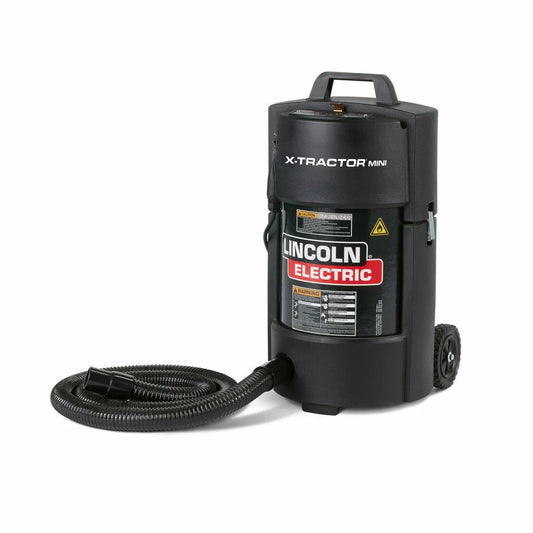
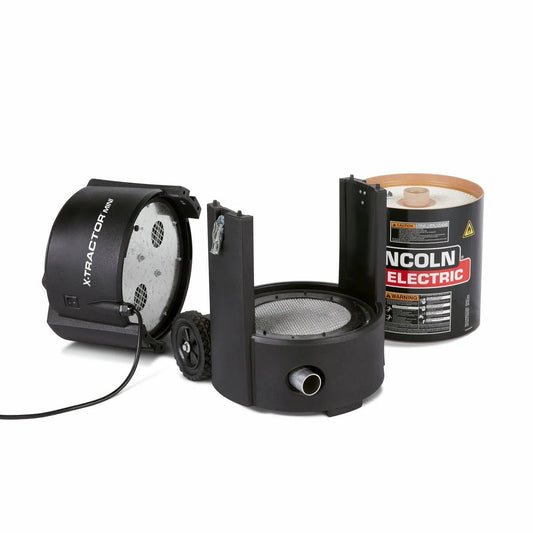
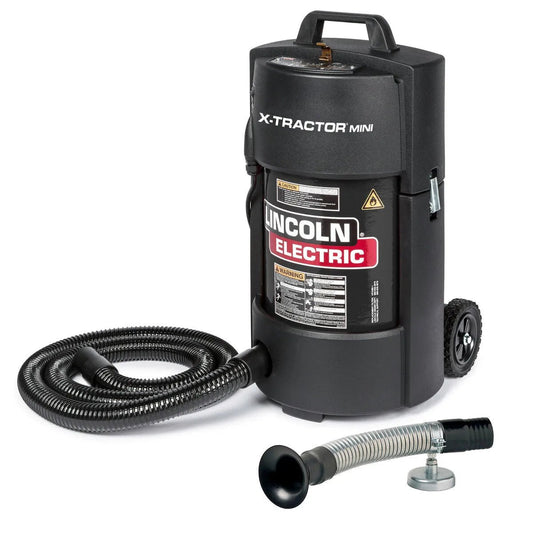
- Portable fume extractors – Compact and mobile for individual workstations.
- Stationary fume extraction systems – Fixed units for dedicated welding areas.
- Fume extraction arms – Flexible arms that capture fumes at the source.
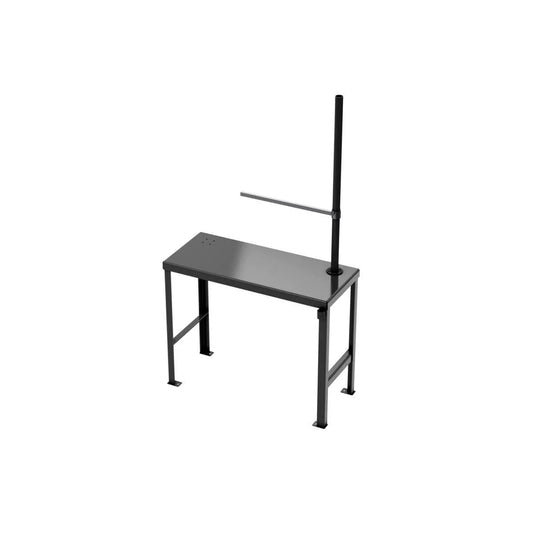
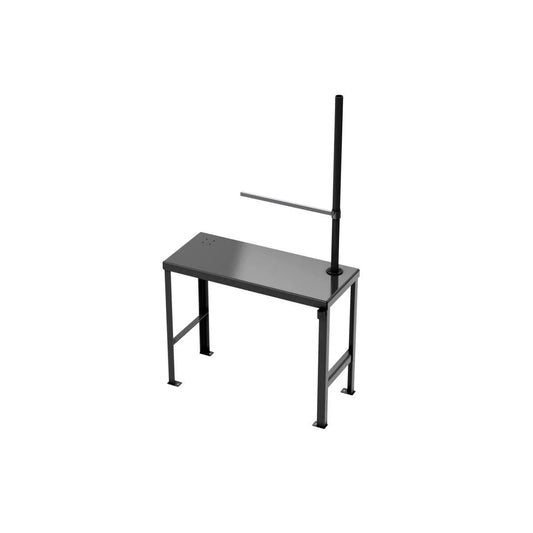
- Downdraft tables – Work surfaces with built-in extraction for fume control.
How do I choose the right welding fume extraction system?
Selecting the right system depends on:
- Welding process (MIG, TIG, Stick, etc.)
- Work area size (small shop vs. industrial facility)
- Filtration requirements (HEPA or carbon filters for specific applications)
- Portability needs (fixed vs. mobile extractors)
Do fume extraction systems require maintenance?
Yes, regular maintenance is essential for optimal performance. This includes cleaning or replacing filters, checking airflow efficiency, and inspecting fume extraction arms for blockages or wear. Proper upkeep ensures compliance with air quality regulations.
Can a welding fume extraction system improve productivity?
Absolutely. A well-designed fume extraction system improves worker safety, reduces downtime from health-related issues, and ensures better visibility in the workspace by reducing airborne particulates. Cleaner air leads to a more efficient and productive welding operation.
Featured Products
What is Fume Extraction in Welding?
Fume extraction is the process of removing harmful airborne contaminants, such as welding fumes, metal particulates, and gases, from the workspace. A welding fume extraction system ensures a safer working environment by capturing and filtering these hazardous fumes before they can be inhaled by welders.
Why is a Welding Fume Extraction System Important?
- Protects welders' health – Reduces exposure to dangerous airborne toxins.
- Ensures regulatory compliance – Meets OSHA and other workplace safety standards.
- Improves air quality – Enhances workplace safety by minimizing fume exposure.
- Prevents equipment contamination – Reduces buildup of metal particulates on machinery.
Types of Fume Extraction Systems
Portable Fume Extractors
- Ideal for small workspaces and mobile welding applications.
- Equipped with filters to remove welding fumes at the source.
Fume Extraction Arms
- Flexible, adjustable arms positioned directly over the welding area.
- Ideal for stationary welding stations.
- Designed for large-scale welding operations.
- Connects multiple workstations to a single filtration unit.
Step-by-Step Setup for a Welding Fume Extraction System
1. Choose the Right Fume Extraction System
- Determine the welding process (MIG, TIG, Stick) and material type.
- Assess the workspace size and ventilation needs.
- Select between portable, arm-based, or central systems based on your requirements.
2. Install the Fume Extraction Unit
- Portable Units: Place near the welding area, ensuring the intake nozzle is close to the fume source.
- Fume Extraction Arms: Secure the arm to a stable surface and position the hood within 12 inches of the welding arc.
- Centralized Systems: Connect ducting from workstations to the filtration unit, ensuring an airtight fit.
3. Adjust the Fume Extraction Arm or Hood
- Position the hood above the weld puddle for maximum fume capture.
- Avoid placing too far, as it reduces efficiency.
4. Connect Power and Test the System
- Plug in the extractor and switch it on.
- Check airflow and suction power.
- Ensure proper filter operation.
5. Perform Routine Maintenance
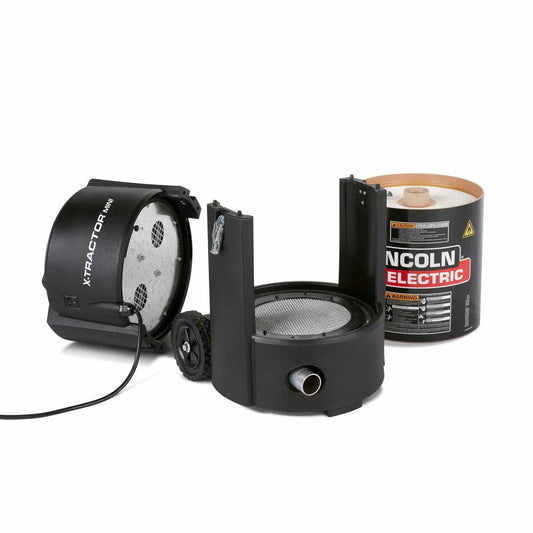
- Clean or replace filters regularly to maintain efficiency.
- Inspect ducting and hoods for clogs or blockages.
- Monitor airflow indicators for optimal performance.