


Pipe Welding Tips
Tips on Pipe Welding
Pipe welding is a specialized skill requiring precision, proper technique, and the right equipment. Here are some key tips to improve efficiency and quality in pipe welding:
- Choose the Right Welding Process – Stick (SMAW), TIG (GTAW), and MIG (GMAW) are common for pipe welding. Stick is great for outdoor work, while TIG is best for high-quality, precise welds.
- Proper Joint Preparation – Clean the pipe thoroughly to remove rust, dirt, and grease. Bevel the edges if needed to ensure full penetration.
- Use the Right Filler Material – Match the filler rod or wire to the base metal to ensure strength and compatibility.
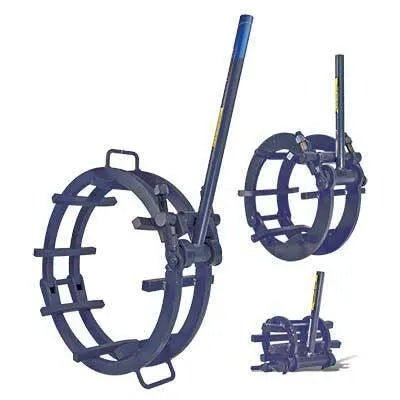
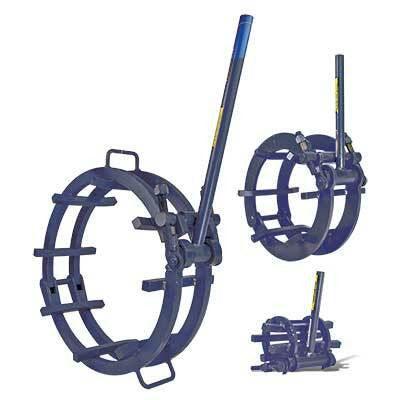
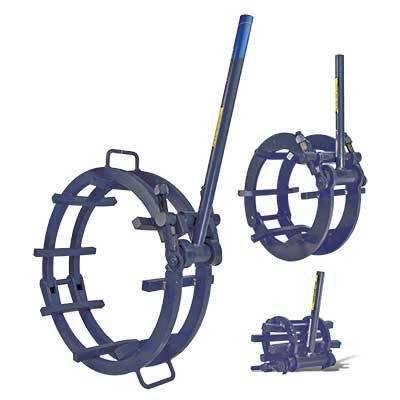
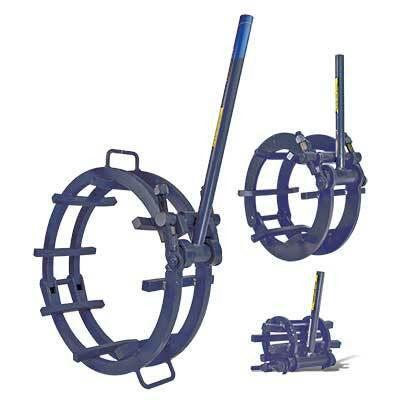
- Ensure Proper Fit-Up & Alignment – Use clamps and tack welds to keep pipes aligned. Poor fit-up can lead to defects.
- Control Heat Input – Avoid excessive heat, which can lead to warping and cracking, especially in stainless steel and exotic metals.
- Weld in the Right Position – Pipe welding requires multiple positions, such as 5G (fixed, horizontal) and 6G (angled, most challenging). Mastering out-of-position welding is key.
- Use Back Purging for Stainless Steel – This prevents oxidation and ensures a clean weld inside the pipe.
- Follow Proper Safety Protocols – Wear the right PPE, including a welding helmet, gloves, fire-resistant clothing, and respirators if working in enclosed areas.
- Inspect & Test the Weld – Use non-destructive testing (NDT) methods like X-ray or ultrasonic testing to ensure weld quality.
Pros of Pipe Welding in the Industry
- High Demand & Job Security – Pipe welders are always in demand in industries like oil & gas, shipbuilding, and construction.
- Lucrative Pay – Certified pipe welders can earn well, especially those with specialized skills (e.g., 6G certification).
- Travel Opportunities – Many jobs require travel, providing opportunities to work on diverse projects worldwide.
- Skill Development & Career Growth – Gaining expertise in pipe welding opens doors for supervisory roles, inspections, and even entrepreneurship.
- Essential Role in Infrastructure – Pipe welding is crucial for industries that rely on pipelines, including water supply, power plants, and chemical processing.
Three Common Pipe Welding Questions (Asked & Answered)
Q1: What’s the hardest position to weld pipes in?
A1: The 6G position (a pipe at a 45-degree angle) is the most challenging because you must weld in multiple positions, including overhead, vertical, and horizontal. It’s often used for certification tests.
Q2: What is the best welding process for pipe welding?
A2: It depends on the application. TIG welding (GTAW) is best for high-quality, precise welds, especially in stainless steel and thin materials. Stick welding (SMAW) is preferred for outdoor and fieldwork due to its versatility and ability to handle dirty surfaces.
Q3: How do I prevent defects like porosity in my pipe welds?
A3: To prevent porosity, clean the pipe thoroughly before welding, use the correct gas shielding, maintain proper travel speed, and avoid excessive heat input. Also, ensure that electrodes and filler metals are dry and stored properly.

What do Pipe Wielders use?
Pipe welders rely on a variety of specialized tools, equipment, and consumables to produce high-quality welds that meet industry standards. The type of welding process they use—whether Stick (SMAW), TIG (GTAW), or MIG (GMAW)—determines the specific gear needed. Stick welding is common for outdoor and fieldwork, while TIG welding is preferred for precision work on stainless steel and exotic metals. Welders often carry multiple types of electrodes or filler rods to ensure compatibility with different pipe materials.
A pipe welding machine is essential, with engine-driven welders being popular for remote job sites and inverter-based machines preferred for shop work. In addition, pipe welders use welding rods, TIG torches, wire feeders, shielding gas, and consumables like nozzles and diffusers. The right equipment ensures efficiency, durability, and high-quality welds. Many pipe welders also use purging kits when working with stainless steel to prevent oxidation inside the pipe.
For preparation, pipe welders need pipe beveling machines, grinders, wire brushes, and cutting tools to clean and shape the pipe edges for strong joints. Proper fit-up is critical, so they use clamps, alignment tools, and pipe stands to hold pipes securely. Welding in different positions—especially the challenging 6G position—requires adjustable workstations and fixtures to support their work.
Safety gear is equally important, as pipe welding involves high heat, sparks, and potentially hazardous fumes. Welders wear auto-darkening helmets, heat-resistant gloves, fireproof jackets, and steel-toe boots. Respirators or fume extraction systems are also used when working in confined spaces to protect against harmful gases. Without the right PPE, a welder risks serious injuries or long-term health issues.
Pipe welders also rely on inspection tools to verify weld quality. These include weld gauges, calipers, ultrasonic testing (UT) devices, and X-ray testing equipment for non-destructive testing. Ensuring a strong, defect-free weld is crucial in industries like oil and gas, shipbuilding, and power plants, where pipe failure can be catastrophic. By using the right tools and techniques, pipe welders ensure durability and safety in critical infrastructure projects.

Post Weld Heat Treatment
Post Weld Heat Treatment (PWHT) is a controlled heating and cooling process applied to welded materials to relieve residual stresses, improve mechanical properties, and enhance the overall integrity of the weld. It is particularly critical in the pipe welding industry, where pipes are subjected to high pressure, temperature variations, and corrosive environments.
Why is PWHT Important in Pipe Welding?
- Reduces Residual Stresses – Welding creates significant internal stresses due to the rapid heating and cooling cycles. PWHT helps in reducing these stresses, preventing weld failure.
- Improves Toughness & Ductility – The heat treatment process refines the grain structure of the metal, enhancing its mechanical properties.
- Prevents Hydrogen Cracking – In high-strength steels and alloys, PWHT helps release trapped hydrogen, reducing the risk of hydrogen-induced cracking.
- Enhances Corrosion Resistance – Proper heat treatment minimizes the formation of brittle microstructures, making pipes more resistant to cracking and corrosion in harsh environments.
- Meets Industry Standards & Codes – PWHT is often required by codes such as ASME B31.3, API 1104, and AWS D1.1 for certain pipe materials and applications.
PWHT Process in Pipe Welding
The process involves heating the welded area to a specific temperature range (typically 1100°F–1350°F or 593°C–732°C, depending on the material), holding it at that temperature for a specified duration, and then cooling it at a controlled rate. Here are the key steps:
- Pre-Heating (If Required) – Some materials require pre-heating before welding to reduce thermal shock.
- Heating to PWHT Temperature – The welded section is gradually heated to the target temperature.
- Soaking (Holding Time) – The pipe remains at this temperature for a set time (e.g., 1 hour per inch of thickness) to allow stress relief.
- Controlled Cooling – The material is slowly cooled to prevent rapid temperature drops, which can cause cracking or distortion.
Methods of PWHT for Pipe Welding
- Furnace Heating – Used for smaller pipe sections or when a batch process is needed.
- Localized PWHT (Induction/Resistance Heating) – Preferred for large, in-service pipes where only the welded area requires heat treatment.
- Torch Heating – A manual method used for small-scale applications or repairs.
- Internal PWHT (Using Hot Gas or Steam) – Common for pipelines where external heat sources are impractical.
Common Pipe Welding Applications Requiring PWHT
- Oil & Gas Pipelines – High-pressure and high-temperature environments demand stress-relieved welds.
- Power Plants – Boiler and steam piping systems require PWHT to handle extreme thermal cycling.
- Chemical & Petrochemical Industries – Corrosive chemicals make PWHT necessary for longevity.
- Structural Piping (Bridges & Offshore Platforms) – Improves fatigue resistance for long-term durability.
PWHT is a crucial step in the pipe welding industry, ensuring the reliability, safety, and longevity of welded pipes in critical applications.
FAQ's Pipe Welding
1. What is Pipe Welding and Why is It Important?
🔹 How WeldingMart Helps: We provide top-quality pipe welding machines, consumables, and accessories from Lincoln Electric and Mathey Dearman, ensuring strong, durable welds.
2. What is the Best Welding Process for Pipe Welding?
The best process depends on the application:
- Stick Welding (SMAW) – Ideal for fieldwork and outdoor applications.
- TIG Welding (GTAW) – Best for high-precision, clean welds on stainless steel and exotic alloys.
- MIG Welding (GMAW/FCAW) – Preferred for high-speed, high-production welding in fabrication shops.
🔹 How WeldingMart Helps: We carry engine-driven welders, multi-process welders, and TIG/MIG welding systems designed specifically for pipe welding applications.
3. What Type of Filler Metal Should I Use for Pipe Welding?
The filler metal depends on the pipe material:
- E6010 or E7018 rods for carbon steel pipes.
- ER70S-6 wire for MIG welding mild steel pipes.
- ER308L or ER316L rods for stainless steel welding.
🔹 How WeldingMart Helps: We stock a wide range of welding rods, flux-cored wire, and TIG filler rods to match your specific project needs.
4. How Can I Ensure Proper Pipe Fit-Up Before Welding?
Proper fit-up is crucial for strong welds. Use:
- Pipe clamps and wedges for alignment.
- Pipe beveling machines for precise joint preparation.
- Spacing tools to ensure the right root gap.
🔹 How WeldingMart Helps: We offer Mathey Dearman pipe fit-up tools, beveling machines, and welding clamps to make pipe preparation faster and more accurate.
Pipe welding involves high heat, sparks, and fumes, requiring:
- Auto-darkening welding helmets for eye protection.
- Heat-resistant gloves, fire-resistant jackets, and steel-toe boots for body protection.
- Fume extraction systems to remove hazardous fumes in confined spaces.
🔹 How WeldingMart Helps: We provide premium welding helmets, PPE, and fume extraction systems from leading brands like Lincoln Electric and 3M.
Common defects include:
- Porosity (caused by contaminants or improper shielding gas).
- Incomplete fusion (due to incorrect travel speed or heat settings).
- Cracking (from excessive heat input or rapid cooling).
🔹 How WeldingMart Helps: We supply high-quality electrodes, shielding gas regulators, and preheat/post-weld heat treatment solutions to minimize welding defects.
PWHT is a process of gradually heating and cooling a welded joint to reduce residual stresses and improve mechanical properties. It is required for:
- High-pressure piping systems in oil & gas and power plants.
- Thick-walled pipes to prevent hydrogen cracking.
🔹 How WeldingMart Helps: We provide induction heating systems and heat treatment solutions for pipe welding applications that require PWHT.
To increase productivity:
- Use engine-driven welders for remote job sites.
- Invest in welding automation tools, such as pipe rotators and positioners.
- Use flux-cored welding wire for higher deposition rates.
🔹 How WeldingMart Helps: We offer Lincoln engine-driven welders, welding positioners, and high-efficiency consumables to maximize productivity.
Pipeline welders need rugged, portable machines capable of handling high-stress environments. Top choices include:
- Lincoln Electric Ranger 330MPX – A powerful, engine-driven welder for remote pipeline welding.
- 🔹 How WeldingMart Helps: We carry top-rated pipeline welding machines and offer expert guidance to help you choose the right equipment.
✔ Industry-leading brands – Lincoln Electric, Miller Electric, Mathey Dearman, and more.
✔ Fast shipping and bulk discounts – Get your welding gear delivered quickly to your job site.
✔ Expert customer support – Our welding professionals help you choose the right tools for your project.
🔹 Shop now at WeldingMart.com and get the best deals on professional pipe welding equipment! 🚀
sales@weldingmart.com Or call 877-532-9353
Featured Products
Pipe Welding Equipment & Supplies
Professional-Grade Solutions at WeldingMart
Shop Industry-Leading Pipe Welding Machines, Tools & Accessories
WeldingMart is your trusted source for pipe welding equipment, supplies, and accessories. Whether you’re working in pipeline construction, oil and gas, power plants, shipbuilding, or industrial fabrication, we provide high-quality pipe welders, beveling machines, clamps, welding rods, and pipe welding accessories to meet the toughest industry demands. Our extensive inventory includes premium products from Lincoln Electric, Miller Electric, ESAB, and Mathey Dearman, ensuring precision and durability in every weld.
High-Performance Pipe Welding Machines for Every Application
Choosing the right pipe welding machine is crucial for achieving strong, defect-free welds. We offer:
✅ Stick Welders (SMAW) – Ideal for outdoor and field welding, providing deep penetration for heavy-duty applications.
✅ TIG Welders (GTAW) – Perfect for high-precision, clean welds on stainless steel and exotic alloys.
✅ MIG Welders (GMAW/FCAW) – Designed for high-speed welding in fabrication shops and structural welding projects.
✅ Engine-Driven Welders – Portable, rugged machines for pipeline welding in remote locations.
Essential Pipe Welding Accessories & Consumables
For a complete pipe welding setup, WeldingMart carries top-quality welding accessories and consumables to improve efficiency and weld integrity, including:
✔ Pipe Beveling Machines & Cutting Tools – Ensure precise weld joint preparation with professional-grade beveling and cutting equipment.
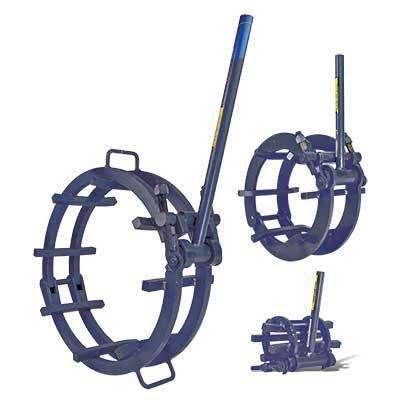
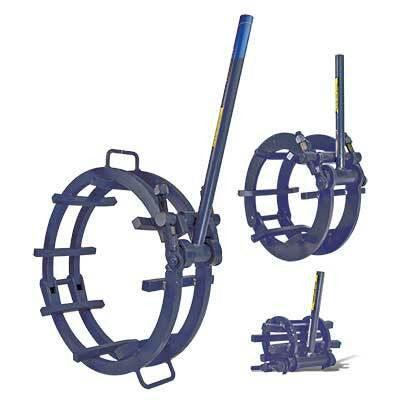
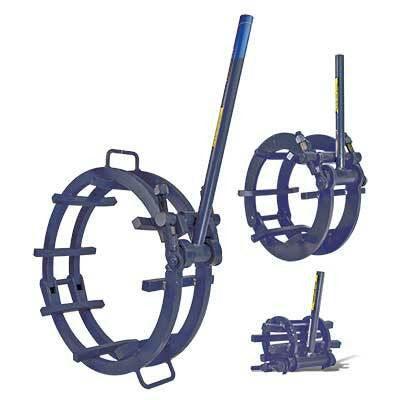
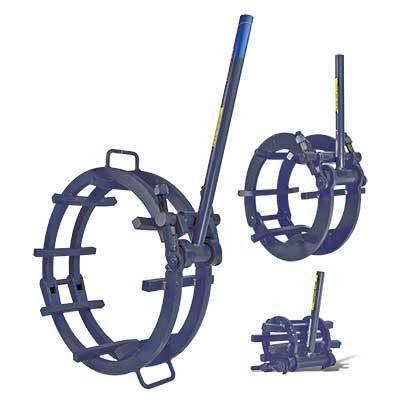
✔ Pipe Clamps & Alignment Tools – Achieve accurate pipe fit-up with high-performance clamps, wedges, and alignment tools.
✔ Welding Rods & Wire – Stock up on E6010, E7018, ER70S-6, and stainless steel electrodes for superior weld quality.
✔ Purging Equipment & Backing Rings – Enhance stainless steel and alloy welding with gas purging kits and consumables.
Pipe Welding Safety Gear & Fume Extraction
Pipe welding environments can be hazardous, requiring top-tier safety equipment for protection against heat, sparks, and toxic fumes. WeldingMart offers:
🛡 Auto-Darkening Welding Helmets – Protect your vision with premium helmets from Lincoln Electric and Miller.
🛡 Heat-Resistant Welding Gloves & Jackets – Fire-resistant PPE designed for extreme heat and spatter.
🛡 Fume Extraction Systems – Improve air quality with industrial-grade weld fume extractors and ventilation solutions.
Why Choose WeldingMart for Pipe Welding Equipment?
✔ Industry-Leading Brands & Certified Products – Trusted welding machines and tools from top manufacturers.
✔ Expert Support & Customer Service – Our welding specialists help you find the right equipment for your project.
✔ Fast Nationwide Shipping – Get the pipe welding tools you need, delivered directly to your job site.
🚀 Shop Pipe Welding Equipment & Accessories at WeldingMart Today! 🚀
Find the best deals on pipe welders, beveling machines, welding rods, and safety gear at WeldingMart.com. Browse our selection or contact us for expert recommendations on the right welding solutions for your application.