
Explore our premium selection of acetylene regulators at WeldingMart, designed for precision, durability, and safety in your gas welding and cutting applications. Whether you’re a professional welder or a DIY enthusiast, our acetylene regulators ensure consistent gas flow and pressure, allowing you to achieve clean, efficient cuts and welds every time.
-
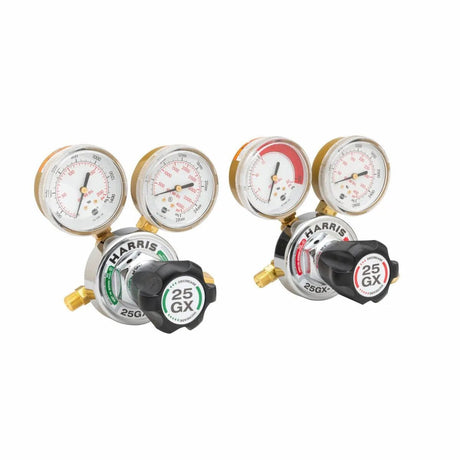
Harris 25GX-15-510 and 25GX-145-540 Pair Single Stage Oxy Acetylene Regulators - 4408578
$282.83Unit price /Unavailable
Harris 25GX-15-300 Single Stage Acetylene Regulator - 3000350
$118.45$154.38Unit price /Unavailable
Harris 601-15-200-A Fitting Single Stage Acetylene Regulator - 3000407
$110.60$133.38Unit price /Unavailable
Harris 801-15-300 Single Stage Acetylene Regulator - 3002195
$89.07$133.66Unit price /Unavailable
Harris 601-15-300 Single Stage Acetylene Regulator - 3000332
$134.20$172.60Unit price /Unavailable

Harris 801-15-510 Single Stage Acetylene Regulator - 3002193
$87.07$133.66Unit price /Unavailable
Harris 301-15-200 Single Stage Acetylene Regulator - 3000165
$102.20$136.77Unit price /Unavailable
Harris 9200NC-15-510 Two Stage Acetylene Regulator - 3302211
$512.53$623.28Unit price /Unavailable

Harris 9296NC-15-300 General-Purpose Two Stage Acetylene Regulator - 3302600
$441.66Unit price /Unavailable

Harris 301-15-300 Compact Single Stage Acetylene Regulator - 3000160
$102.20$136.77Unit price /Unavailable
Harris 601-15-520-A Economical Single Stage Acetylene Regulator - 3000408
$110.60$133.38Unit price /Unavailable
Harris 29-15C-300 Gaugeless Single Stage Acetylene Regulator - 3600250
$349.20$457.98Unit price /Unavailable
Harris 450-15-510 Single Stage Stainless Steel Diaphragm Acetylene Regulator - 3002494
$175.07$238.12Unit price /Unavailable
Harris 25GX-15-510 Single Stage Acetylene Regulator - 3000682
$108.26$154.38Unit price /Unavailable
Harris 301-15-520 Single Stage Acetylene Regulator - 3000166
$102.20$136.77Unit price /Unavailable
Harris 301-15-510 Single Stage Acetylene Regulator - 3000161
$102.20$136.77Unit price /Unavailable

Harris 425-15-510 Premium Single Stage Acetylene Regulator - 3000815
$151.20$207.03Unit price /Unavailable
Harris 450-15-300 Stainless Steel Diaphragm Single Stage Acetylene Regulator - 3004546
$193.74$238.12Unit price /Unavailable
Harris 601-15-200-B Fitting Single Stage Acetylene Regulator - 3000295
$109.20$130.82Unit price /Unavailable
Harris 601-15-510 Single Stage Acetylene Regulator - 3000331
$134.20$172.60Unit price /Unavailable
Harris 25GX-15-510 Single Stage Acetylene Regulator - 3000380
$119.05$154.38Unit price /Unavailable
Harris 425-15-300 Premium Single Stage Acetylene Regulator - 3000816
$151.20Unit price /Unavailable
Harris 3500-15-300 Single Stage Acetylene Regulator - 3003505
$405.07$535.35Unit price /Unavailable
Harris 25GX-15-300 Single Stage Acetylene Regulator - 3000683
$115.20$154.38Unit price /Unavailable
Harris 9296SS-15-300 Two Stage Acetylene Regulator - 3302680
$469.87$571.37Unit price /Unavailable
Harris 601-15-520-B Economical Single Stage Acetylene Regulator - 3000411
$111.20$133.38Unit price /Unavailable
Harris 45-15-510 Single Stage Acetylene Regulator - 3001782
$172.20$218.72Unit price /Unavailable
Harris 45-15-300 Single Stage Acetylene Regulator - 3001783
$160.81$218.72Unit price /Unavailable
Harris 45S-15-510 Single Stage Acetylene Regulator - 3001777
$225.15$302.20Unit price /Unavailable
Harris 401-015-510A-C - 401015510AC - Acetylene/ Methyl Chloride Regulator
$326.09Unit price /Unavailable
Harris 3500-15-510 Single Stage Acetylene Regulator - 3003504
$405.07$535.35Unit price /Unavailable
Harris 9200NC-15-300 Two Stage Acetylene Regulator - 3302210
$512.53$623.28Unit price /Unavailable

Harris 29-15C-510 Gaugeless Single Stage Acetylene Regulator - 3600260
$336.07$457.98Unit price /Unavailable


Harris 450-15-300 Single Stage Stainless Steel Diaphragm Acetylene Regulator - 3002493
$188.07$238.12Unit price /Unavailable
Harris 45S-15-300 Single Stage Acetylene Regulator - 3001778
$222.10$302.20Unit price /Unavailable
Harris 401-050-510P-D - 401050510PD - Acetylene/ Methyl Chloride Regulator
$277.27$308.08Unit price /Unavailable
Harris 401-015-510P-D - 401015510PD - Acetylene/ Methyl Chloride Regulator
$277.27$308.08Unit price /Unavailable
Harris 401-125-510P-C - 401125510PC - Acetylene/ Methyl Chloride Regulator
$284.94$316.60Unit price /Unavailable
Harris 401-050-510P-C - 401050510PC - Acetylene/ Methyl Chloride Regulator
$284.94$316.60Unit price /Unavailable
Harris 401-015-510P-L - 401015510PL - Acetylene/ Methyl Chloride Regulator
$284.97$316.63Unit price /UnavailableHigh-Quality Acetylene Regulators for Safe and Precise Gas Control
Key Features of Our Acetylene Regulators:
- Accurate Pressure Control: Engineered for precise gas flow regulation, ensuring optimal performance in welding, cutting, and heating applications.
- Durable Construction: Made from high-quality materials to withstand demanding work environments and ensure long-lasting reliability.
- Safety Features: Built-in safety mechanisms provide peace of mind, reducing the risk of backfires or gas leaks.
- Versatile Applications: Compatible with a variety of acetylene cylinders and cutting or welding torches, offering flexibility for different tasks.
Why Choose Acetylene Regulators from WeldingMart?
At WeldingMart, we provide top-rated acetylene regulators from trusted brands, ensuring consistent performance and safety in every job. Whether you’re working on industrial projects, field repairs, or home-based welding tasks, our regulators are built to deliver precise gas control and superior results.
Popular Applications:
- Oxy-Acetylene Welding and Cutting: Perfect for achieving precise and clean welds or cuts.
- Heating Applications: Reliable gas flow for pre-heating or bending metal.
- General Maintenance and Repair: Ideal for small-scale repairs and fabrication work.
Shop Acetylene Regulators Today
Upgrade your gas setup with the best acetylene regulators from WeldingMart. Our collection offers reliable, safe, and efficient solutions to help you achieve professional-grade results in every application. Shop now and experience the WeldingMart difference in quality and performance!


