
Explore WeldingMart’s premium collection of cutting torch kits, designed to deliver precision, power, and reliability for professional and DIY applications. Whether you’re working on industrial projects, repairs, or fabrication, our cutting torch kits provide the tools you need to make clean and efficient cuts on a variety of metals. Built for durability and ease of use, these kits are ideal for welders, metalworkers, and fabricators.
-

Harris VMD 801 Deluxe Ironworker Acetylene Cutting Torch Kit for CGA 540/300 - 4400375
$281.01$430.12Unit price /Unavailable
Harris HMD 801 Deluxe Acetylene Cutting Torch Kit for CGA 540/510 - 4400366
$260.88$409.68Unit price /Unavailable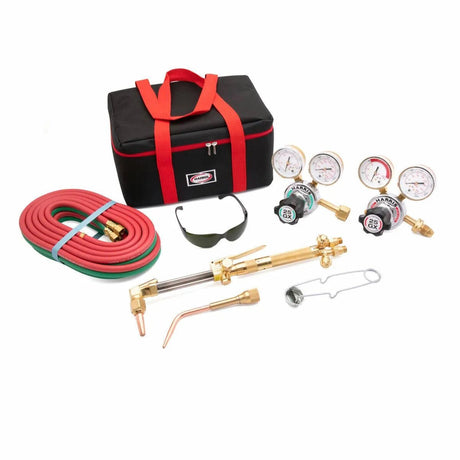
Harris HHD 25GX Deluxe Ironworker Acetylene Cutting Torch Kit for CGA 540/510 - 4400367
$390.01$455.71Unit price /Unavailable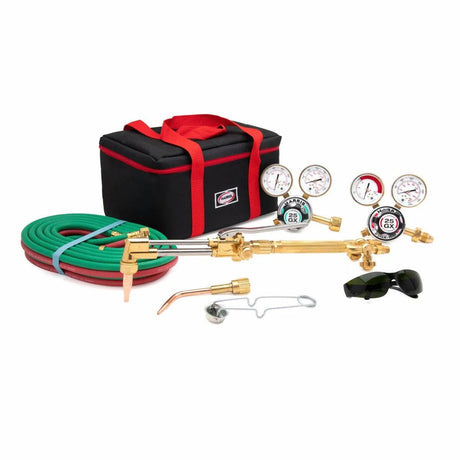
Harris VHD 25GX Deluxe Ironworker Acetylene Cutting Torch Kit for CGA 540/300 - 4400376
$371.01$511.14Unit price /Unavailable
Harris 43-425-300 Deluxe Combination Pipeliner Cutting Torch Kit - 4403236
$468.95Unit price /Unavailable

Harris HXT 450 Deluxe Ironworker Acetylene Cutting Torch Kit for CGA 540/300 - 4400371
$390.87$703.60Unit price /Unavailable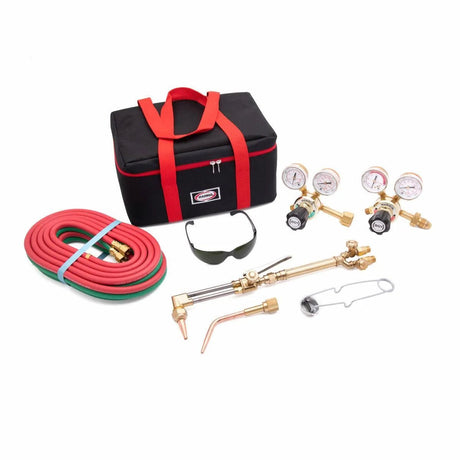
Harris V-Series Medium Duty Model 801 Ironworker Kit CGA 540/510 - 4400372
$273.88$430.12Unit price /Unavailable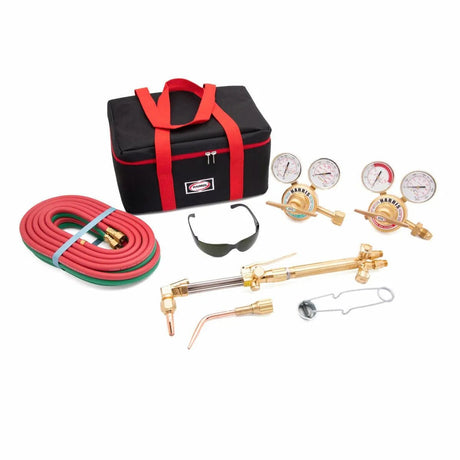
Harris HXT 450 Deluxe Ironworker Acetylene Cutting Torch Kit for CGA 540/510 - 4400368
$499.01$703.60Unit price /Unavailable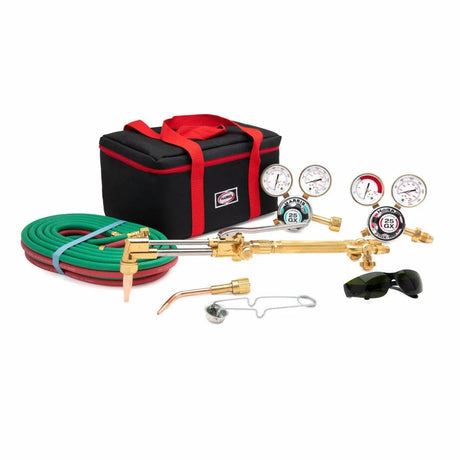
Harris VHD 25GX Deluxe Ironworker Acetylene Cutting Torch Kit for CGA 540/510 - 4400373
$447.00$511.14Unit price /Unavailable
Harris 43-425-510 Standard Combination Pipeliner Cutting Torch Kit - 4403234
$526.31$630.68Unit price /Unavailable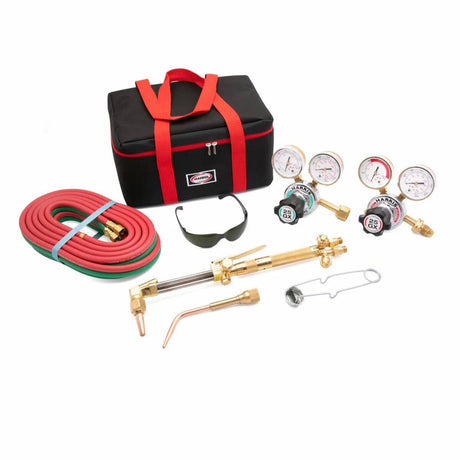
Harris HHD 25GX Deluxe Ironworker Acetylene Cutting Torch Kit for CGA 540/300 - 4400370
$389.00$455.71Unit price /Unavailable
Harris VXT 450 Deluxe Ironworker Acetylene Cutting Torch Kits for CGA 540/510 - 4400374
$537.31$759.03Unit price /Unavailable
Harris V-100C-25GX-300 Deluxe Combination V-Series Steelworker Cutting Torch Kit - 4403222
$407.86$493.02Unit price /Unavailable
Harris 43-425F-510P Deluxe Combination Pipeliner Propane Cutting Torch Kit - 4403240
$571.88$757.32Unit price /Unavailable

Harris HMD 801 Deluxe Ironworker Acetylene Cutting Torch Kit for CGA 540/300 - 4400369
$260.88$409.68Unit price /Unavailable
Harris 43-425-510 Deluxe Combination Pipeliner Cutting Torch Kit - 4403235
$494.89$700.46Unit price /Unavailable
Harris V-Series Heavy Duty Model 25GX Ironworker Rosebud Kit CGA 540/300 - 4401376
$360.01$588.10Unit price /Unavailable
Harris VXT 450 Deluxe Ironworker Acetylene Cutting Torch Kit for CGA 540/300 - 4400377
$530.00$759.03Unit price /Unavailable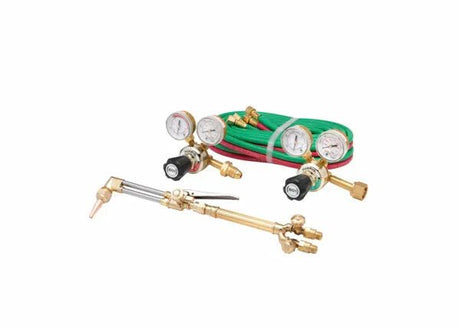
Harris Model VH10-801-510 MD Combination V-Series Ironworker Kit - 4403260
$371.10Unit price /Unavailable


Harris Model 62-25EGX-510 Cutter Pac Kit with tip (Vac-Pac) - 4401747
$587.14Unit price /UnavailableShop oxy-acetylene cutting torch kits from Harris and compare the product options in this collection. Current product titles identify combination, Steelworker, Ironworker, Pipeliner, and Cutter Pac options. Use those labels to narrow your choices, then open each product page to confirm the exact model, gas service, cylinder connections, included components, and capacities before ordering.
Choose the right cutting torch kit
- Combination and Steelworker: Start with the Harris 85-25FGX-510 Standard Combination Steelworker kit.
- Ironworker: Compare the Harris VMD 801 Deluxe Ironworker acetylene kit.
- Pipeliner: Review the Harris 43-425-300 Deluxe Combination Pipeliner kit.
If you need a single torch instead of a kit, shop individual cutting torches. If you are looking for a compact portable, mini, or HVAC-focused set, shop Port-A-Torch kits. Need help choosing? Contact WeldingMart with the exact fuel gas, cylinder connections, and work requirements you plan to use. Always verify the current product page and manufacturer documentation before purchase and use.
Mettle by WeldingMart
Put Me To The Test


